


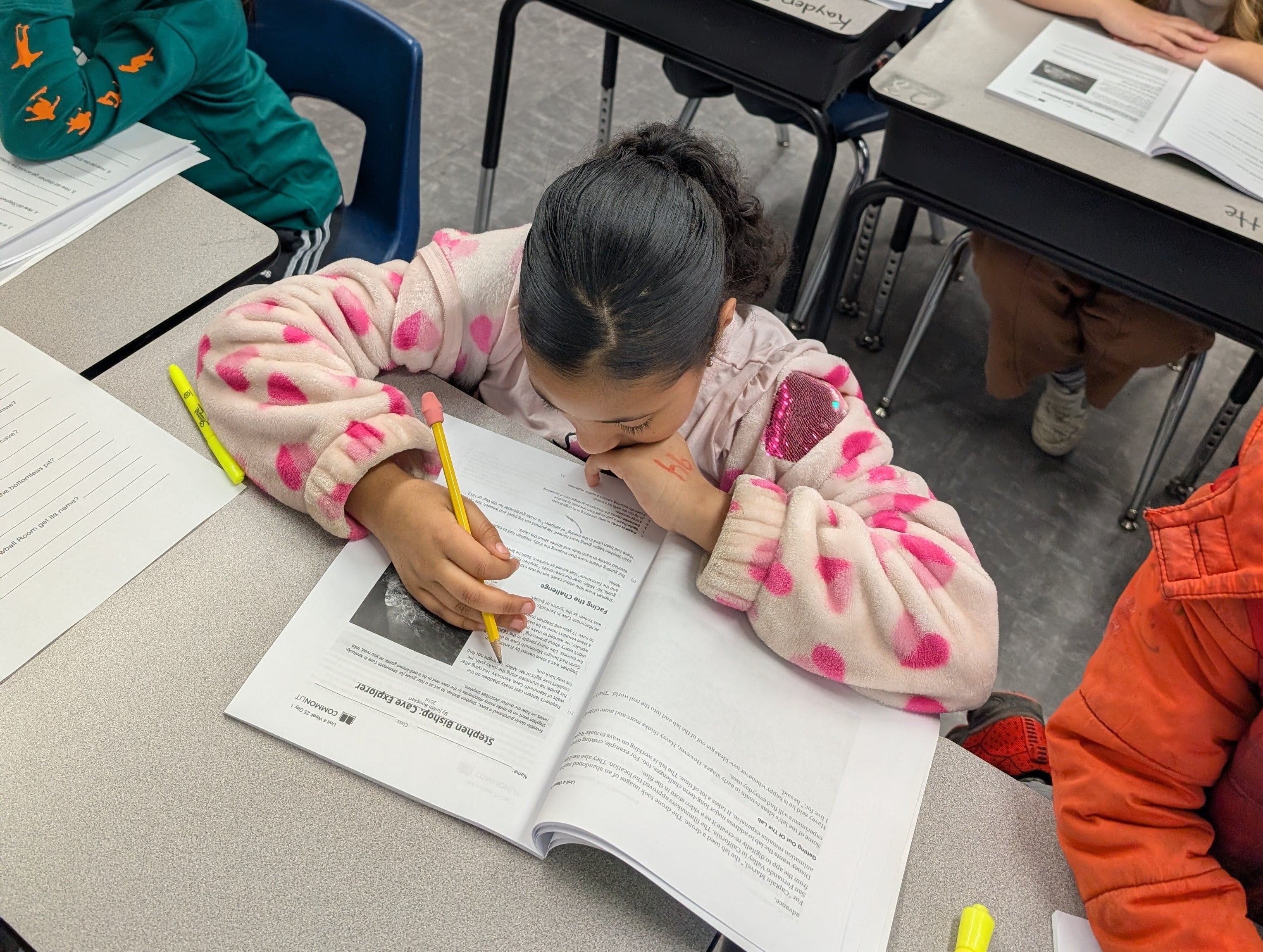

The 74 Million, a national news organization dedicated to covering K-12 education in America, recently looked at the elementary schools in each state that beat the odds the most when it comes to third-grade reading scores. The idea was to see which schools scored much higher than the school’s poverty level would suggest.
They ranked the five elementary schools in each state that beat the odds the most. They called them the “Bright Spots.”
Which Michigan Charter Schools Were Named Reading Bright Spots?
In Michigan, two of the Bright Spots were charter schools: Vanderbilt Charter Academy in Holland and Frontier International Academy in Warren. Vanderbilt Charter Academy was one of the first charter schools in Michigan, opening in 1996.
The school is authorized by Grand Valley State University and managed by the acclaimed National Heritage Academies.
Here’s what The 74 Million had to say about Vanderbilt Charter Academy’s third-grade reading scores:
“Vanderbilt Charter Academy in Ottawa County has a poverty rate of 80.10%. We expected 25.70% of its third-grade students to read proficiently. Its actual score was 68.60%.”
School officials say it’s a combination of hard work, dedication, having an excellent team in place, and starting early.
Principal Jeff Groggel says that at Vanderbilt, strong third-grade readers are not built in third grade; they are developed in the very first days of kindergarten.
“This recognition reinforces what we know, that when you focus on strong foundations, students rise. We believe our success starts in kindergarten,” Groggel said.
“Our No. 1 priority is making sure every student builds the foundational skills they need early,” he said, adding that many students arrive without knowing their letters or sounds. Rather than viewing that as a setback, Vanderbilt’s teachers see it as a starting point. We focus on growth from day one.”
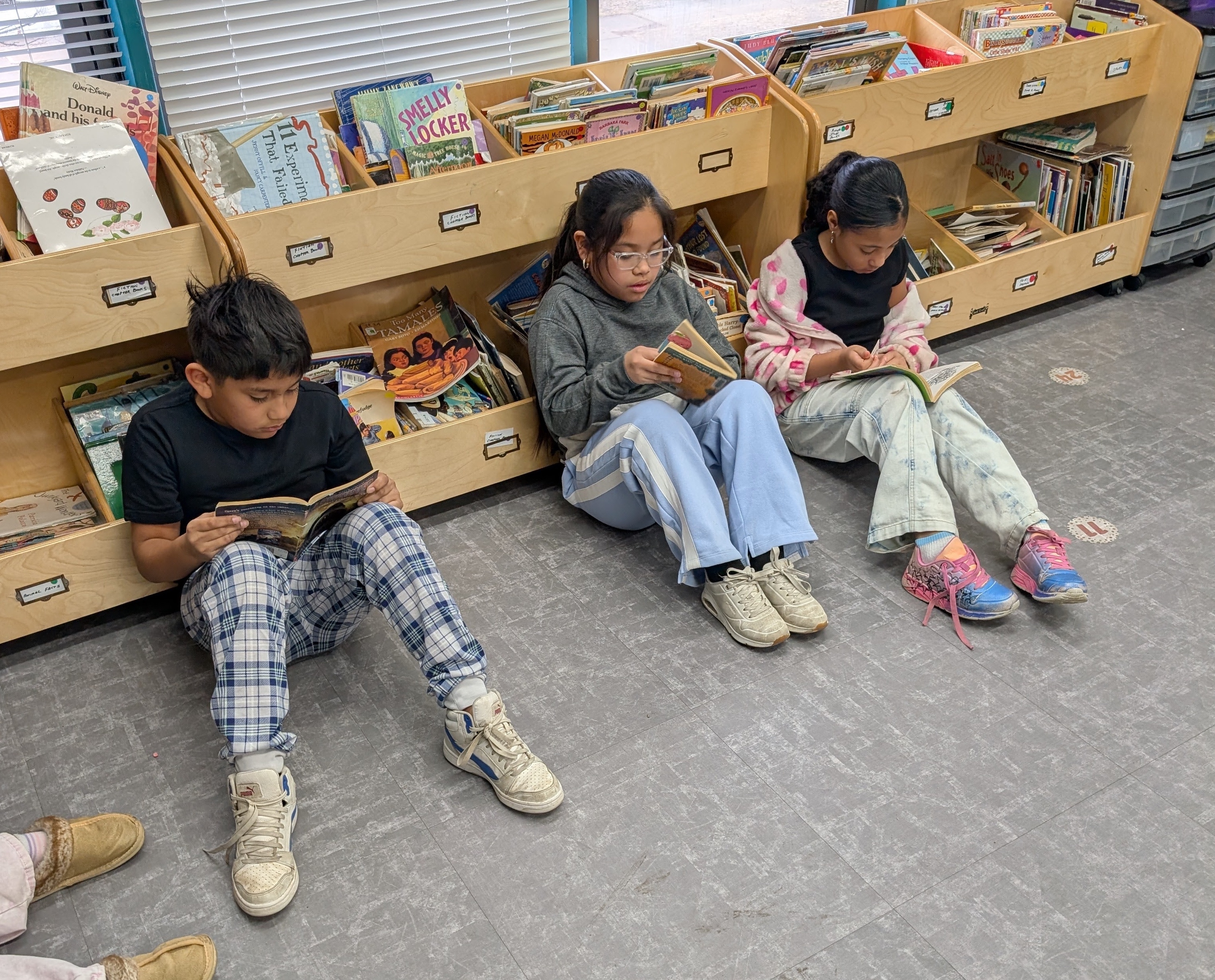
They also lean heavily into proven methods of teaching literacy. Using benchmarking and consistent progress monitoring, teachers track each student’s development in letter recognition, phonics, and fluency. Instruction is adjusted quickly to meet individual needs so that no student falls behind. This early investment allows third-grade classrooms to focus on comprehension and grade-level standards, where students have already mastered how to read, so they make the transition to reading to learn.
That foundation is strengthened by experienced educators and a culture of high expectations, Groggel said. Vanderbilt’s K-2 classrooms emphasize repetition, structure, and encouragement, helping students gain confidence alongside skill. Teachers work closely with families to reinforce reading habits at home, which creates consistency for students.
In third grade, instruction becomes more targeted, with teachers analyzing student data weekly and adjusting instruction in real-time. Additional support, including reading specialists and small-group interventions, enhances student learning and development.
Programs like Vanderbilt’s Book Bag initiative, a color-coded “one-night read” program, also extend learning beyond the classroom. The program requires third-graders to take home a book every night, read independently and aloud to family members, then return the next day ready to discuss the story and select a new book. The goal is to encourage students to read 100 books in a school year.
The result is a culture where students feel motivated to learn. “Our students love being here,” Groggel said. “They feel supported, and they’re willing to take academic risks.”

Vanderbilt’s results reflect a broader commitment across NHA partner schools to close learning gaps early. A 2023 Stanford University CREDO study identified NHA as a “gap buster” for its success in improving outcomes for students from underserved communities. That same CREDO study found NHA students learned in 180 school days what would require 226 days in traditional district schools for English Language Arts.
NHA was founded on the belief that every child deserves access to a high-quality education. The outcomes its partner-school students achieve are not accidental. Through a strong focus on rigorous academics combined with its character-based curriculum, NHA continues building systems that ensure students are not defined by their demographics and are instead empowered by opportunity.

No Comments Yet
Let us know what you think