


-2.jpg)
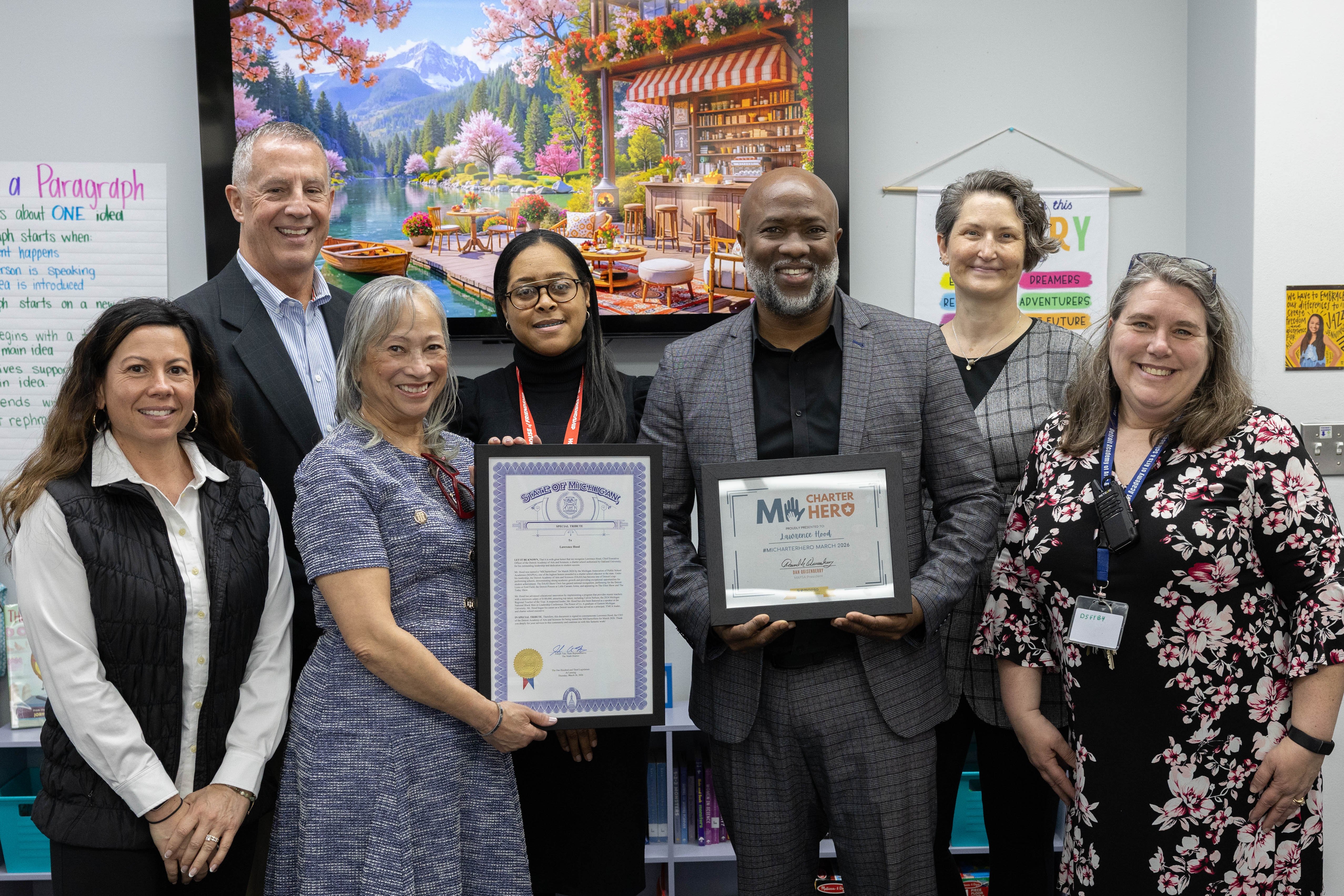
When MAPSA honored Lawrence Hood, CEO of Detroit Academy of Arts and Sciences (DAAS), as a MiCharter Hero, the recognition reflected more than one leader’s work. It highlighted a school community that is proving what is possible when innovation is driven by the needs of students and families.
During the visit, Dan Quisenberry presenting the MiCharter Hero award on behalf of MAPSA, followed by Representative Tate who presented a legislative tribute, recognizing Hood’s impact in Detroit, “Turning around schools that aren’t performing into schools that are performing is what Michigan needs—and that’s what Lawrence has helped do,” Quisenberry said.
DAAS serves more than 1,200 students from birth through eighth grade, with a clear goal: breaking the cycle of poverty from inside Detroit.
For Hood, that work is deeply personal.
“The work at DAS aligns to who I am and my purpose,” he said. “I feel like everything I do is purpose-driven.”
That purpose shows up in how the school listens to families and builds solutions around their needs.
“We wanted to serve those who are underserved,” Hood said.
One of the most pressing challenges DAAS identified was a lack of access to child care.
The east side of Detroit is a child care desert. Families told school leaders that without reliable care, they could not work. DAAS responded by launching a birth-to-preschool program, ensuring that children are learning while parents are able to stay employed.
It is a direct example of how the school is addressing poverty at its roots.
Hood describes the approach simply: “We’ve been innovating on behalf of what our scholars and our families have said they needed.”
Like many schools serving historically underserved communities, DAAS has faced academic challenges in the past. But under Hood’s leadership, the school has focused on building systems that drive real improvement.
That progress is especially visible in middle school.
“Those innovations have paid off,” Hood said. “We know that when there’s a model teacher in the classroom, those children have performed… especially in our middle school, our proficiency data has continued to grow.”
At the center of that academic growth is DAAS’s Model Teacher program, based on ASU’s Next Education Workforce, which gained statewide attention for offering salaries up to $100,000.
Quisenberry recalled the moment he first heard the idea. “Everybody else is figuring out the problem,” he said. “(here) there’s people solving it.”
At DAAS, that solution includes not just compensation, but structure. Teachers work in teams alongside model and veteran educators, sharing responsibility for groups of students and building a more sustainable profession.
“The purpose is to innovate with safeguard rails on behalf of children,” Hood said.
DAAS has also invested in school culture through the implementation of the Ron Clark Academy “House” system, designed to build belonging and character among students.
Think Harry Potter-style houses, but grounded in values like giving, friendship, and dreaming.
Since implementing the system three years ago, the impact has been significant: student suspensions have dropped by two-thirds. It is another example of how intentional culture-building can directly affect student outcomes.
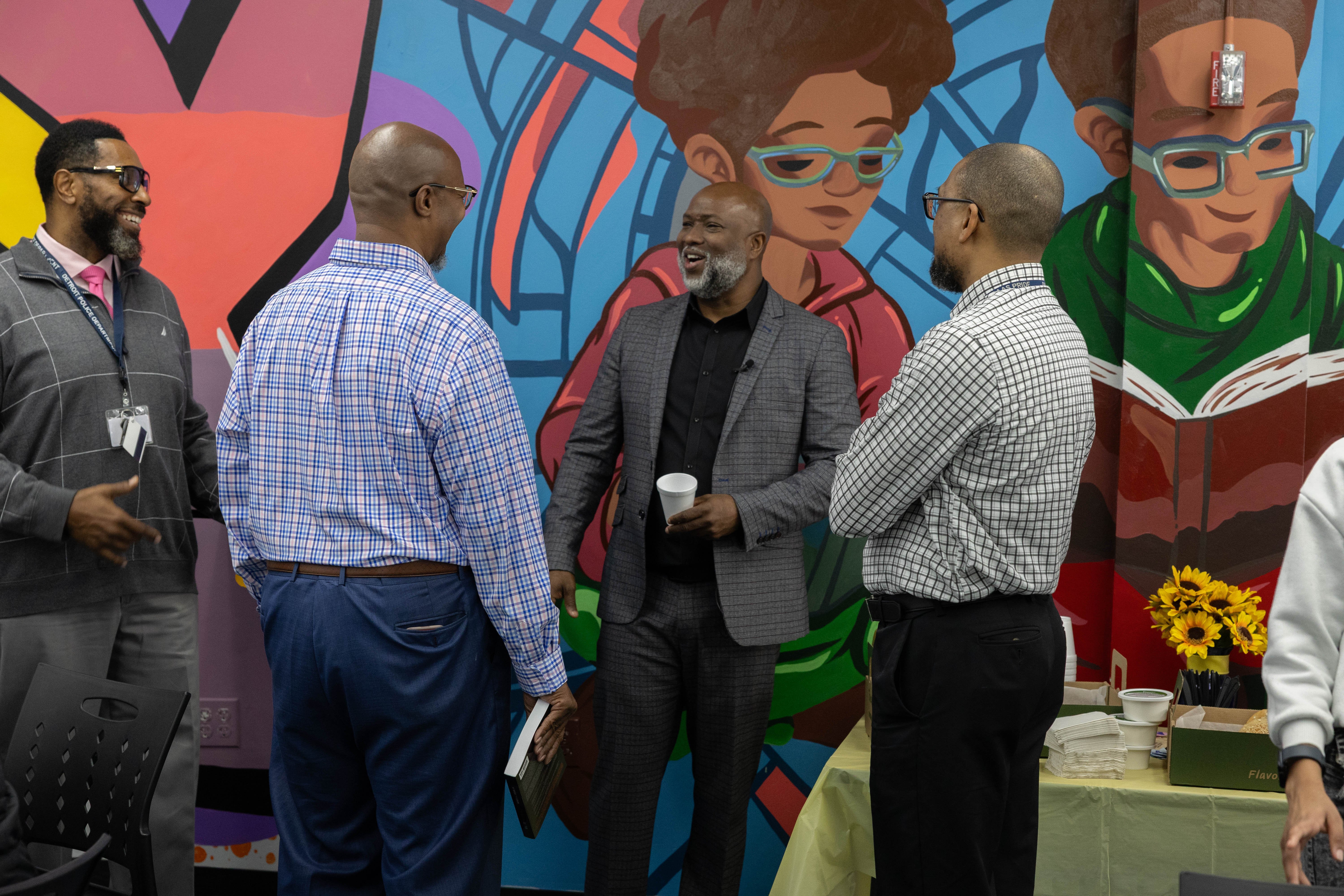
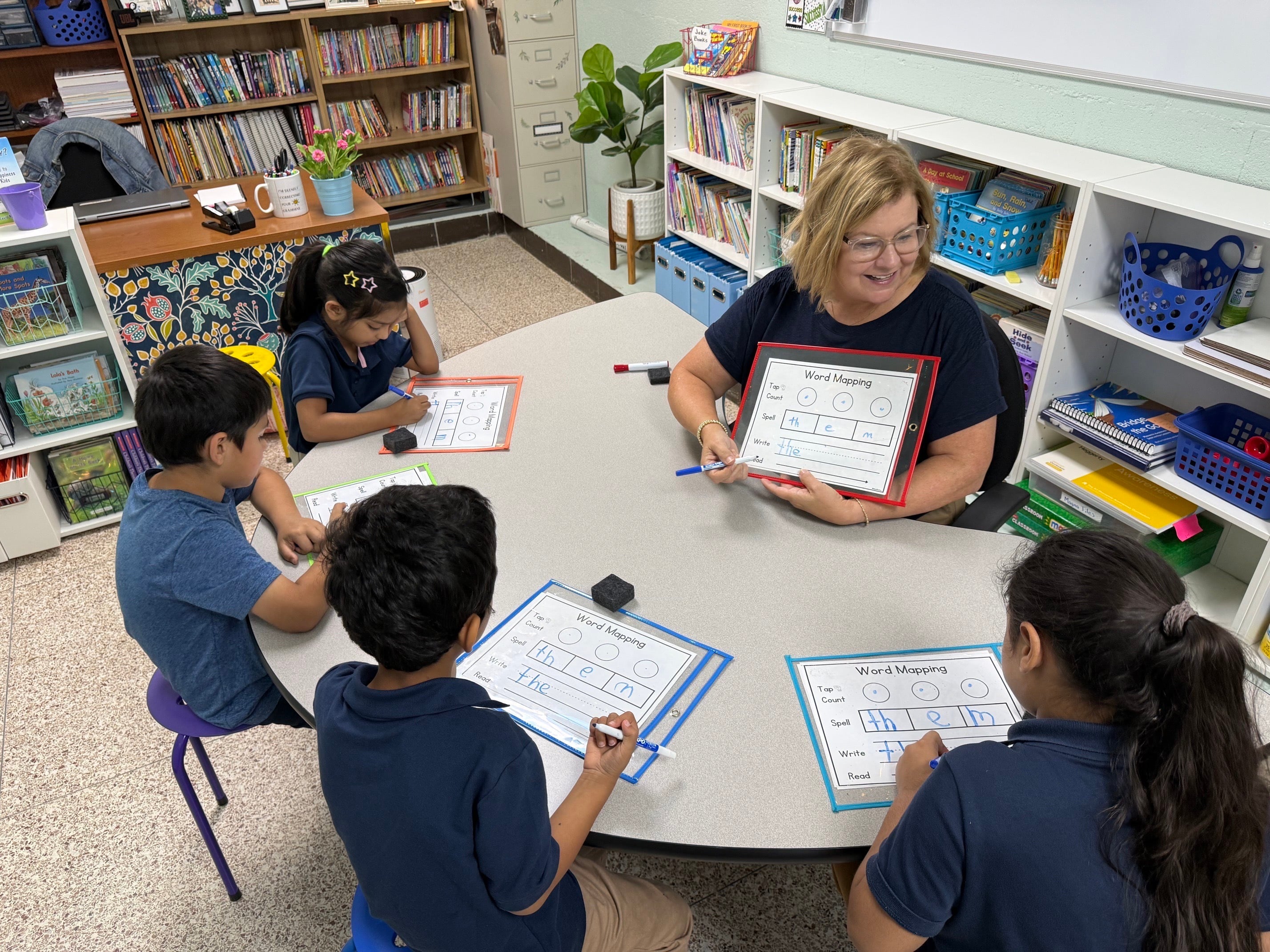
Inside classrooms, innovation is visible in hands-on learning experiences.
Students study plant life cycles through an aquaponics system, integrating science, sustainability, and real-world application.
The school’s robotics program, led by Calvin Nellum, is also gaining attention. This year alone, middle school students have won five robotics competitions, competing against high school teams.
These opportunities are expanding what students see as possible for themselves.
DAAS is continuing to grow its impact with the launch of Detroit Early Middle College this fall.
The program will serve students in grades 9 through 13, allowing them to graduate high school with an associate degree already completed.
In a unique extension of that model, parents will also have the opportunity to earn a free associate degree alongside their children, reinforcing the school’s commitment to whole-family advancement.
“That’s visionary,” Quisenberry said. “That’s something that excellence can deliver.”
From early childhood education to college pathways, DAAS is intentionally structured as more than a traditional school.
“We see our school as not just a four wall school, but we see our school as a community organization that serves our community,” Hood said.
That vision was evident even in the setting itself. Hood’s office, located in a building that once housed the University of Detroit’s dental school, reflects both history and transformation—much like the work happening throughout the district.
Even as he accepted the MiCharter Hero award, Hood emphasized that the recognition belongs to the entire DAAS community.
“I was very surprised but humbled… because I know it’s not just for me,” he said. “I think it’s everyone working together on behalf of every scholar.”
“This school is doing remarkable things,” Quisenberry added.
And for more than 1,200 students and their families, those things are creating real opportunity every day.
MAPSA is proud to recognize Lawrence Hood as a #MiCharter Hero. His work at DAAS shows what’s possible when schools listen, innovate, and stay focused on serving students and families well.
Nominations are open for the 2026–2027 school year. Heroes can include teachers, administrators, and support staff. Nominate your hero today!

-1.jpg)
.jpg)
No Comments Yet
Let us know what you think